Petra Lang · 12 November 2026
When Local Archives Embrace Green Themes: Connecting Ethical Freelance Work, Bookstore Resilience, and Mindful Reading in UK Arts Reforms
Local archives across the United Kingdom have begun integrating environmental sustainability practices into their operations, and these shifts intersect with ethical freelance opportunities, independent bookstore adaptations, and community-focused reading programs that form part of broader arts policy updates. Researchers tracking cultural institutions note that archive teams now prioritize low-impact storage solutions, recycled materials for exhibitions, and digital cataloging methods that reduce physical resource use while maintaining public access to historical records.
Archive Practices Align with Sustainability Goals
Facilities in regional centers have adopted energy-efficient climate controls and paperless workflows, according to data compiled by heritage organizations. These changes coincide with arts reforms that allocate funding for projects linking cultural preservation to environmental objectives, and observers have documented increased collaboration between archivists and freelance writers who produce content on green heritage themes using transparent sourcing methods. Bookstores in the same areas respond by hosting events that highlight print editions produced through responsible supply chains, which helps sustain physical retail spaces amid rising operational costs.
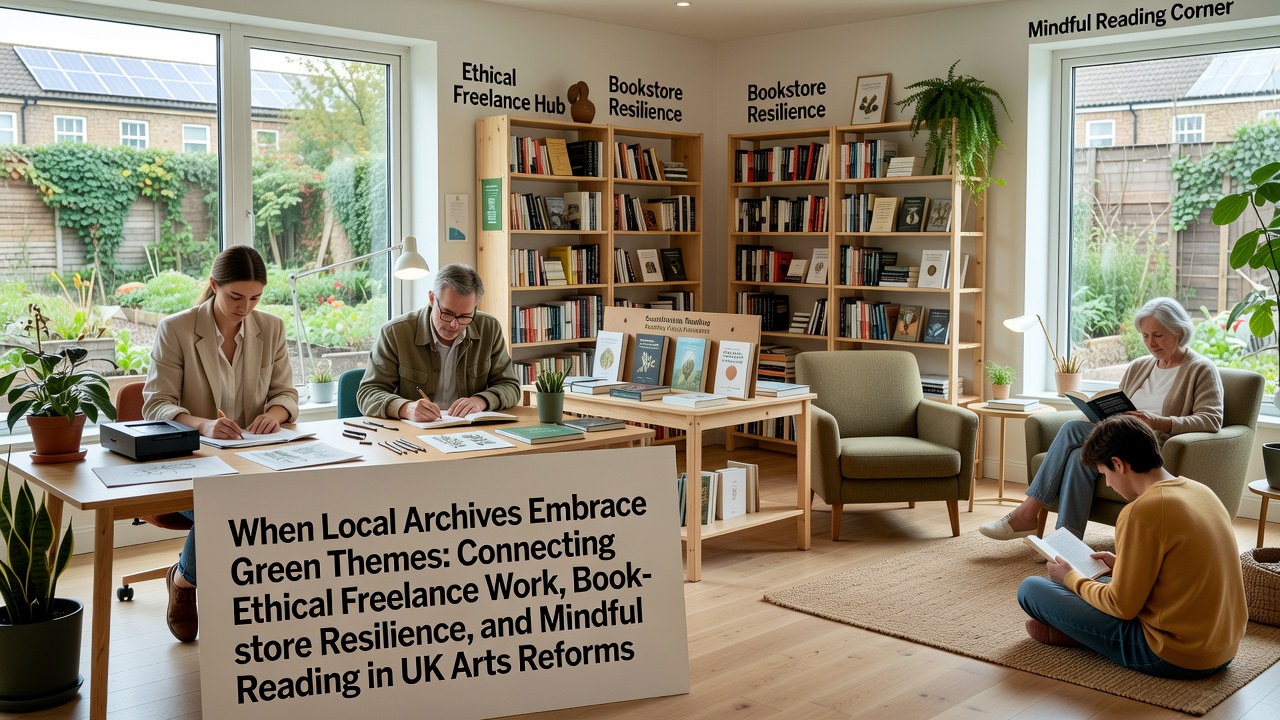
Evidence from multiple sites shows that mindful reading sessions, structured around slower engagement with physical texts, occur regularly in archive-adjacent venues, and these gatherings often feature freelance contributors who specialize in environmental storytelling. Such activities draw on curriculum adjustments in arts education that emphasize reflective practices over rapid consumption, creating measurable demand for local printed materials that support bookstore viability.
Freelance Roles and Bookstore Adaptations in 2026
By November 2026, several UK regions will host coordinated programs where freelancers receive commissions for pieces that document archive green transitions, while bookstores stock related titles and organize reading circles that align with the same themes. Industry reports indicate that independent retailers participating in these networks experience steadier foot traffic compared to those operating outside the initiatives, because events combine archive visits with in-store discussions. Ethical freelance standards, which include fair compensation and source verification, receive explicit support through grant structures tied to the arts reforms, allowing writers to focus on topics such as sustainable paper sourcing without compromising income stability.
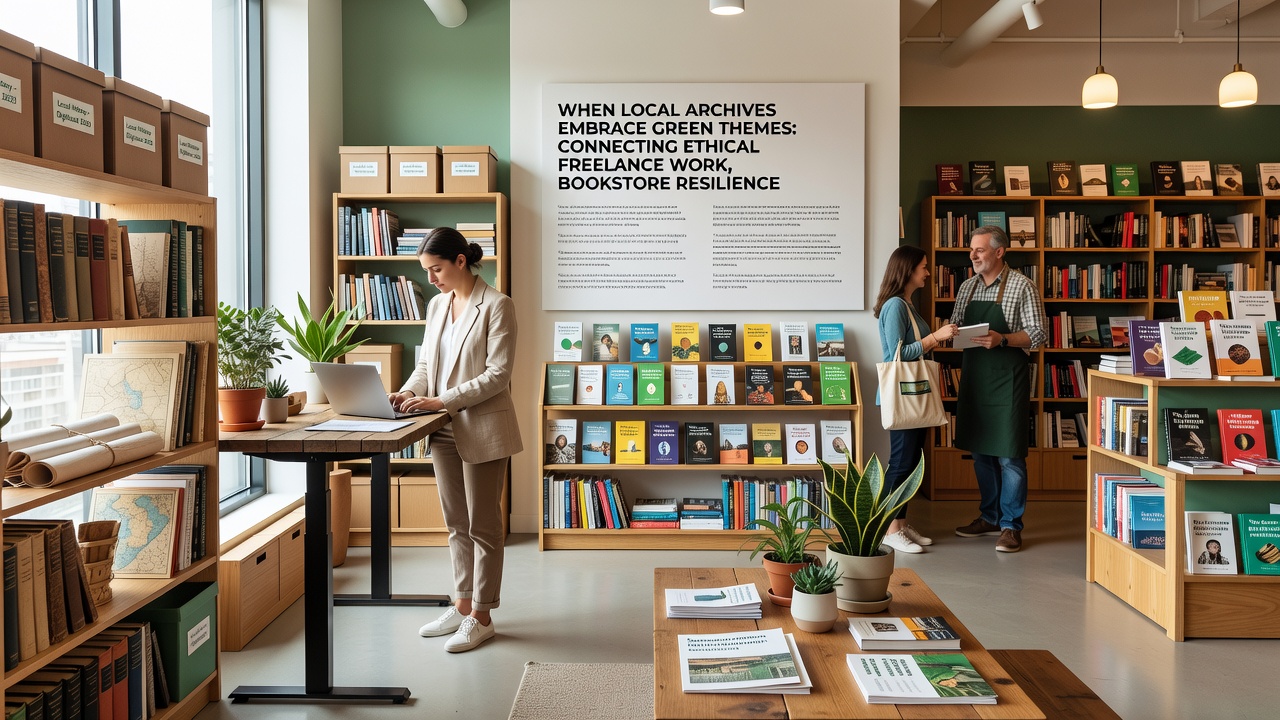
Case examples from northern England and teh Midlands illustrate how one archive partnered with nearby bookstores to loan exhibition materials for temporary pop-up displays, and these arrangements extended the reach of both institutions while reducing duplication of physical resources. Participants in the linked reading programs report consistent attendance, with session formats encouraging extended engagement with single volumes rather than quick scanning, which aligns with research on attention patterns conducted by academic groups in Canada and Australia.
Policy Connections and Measurable Outcomes
UK arts reforms introduced in recent cycles incorporate metrics for environmental impact alongside traditional cultural output measures, and funding criteria now reference practices that connect freelance ethics to print resilience. Data compiled by the European Commission on cultural sustainability shows parallel developments in other member states, where similar archive-led efforts correlate with maintained bookstore numbers in participating districts. Mindful reading components appear in program evaluations as tools that reinforce print culture, because they encourage repeated visits to physical collections rather than one-time digital downloads.
Those monitoring these developments point to joint workshops that train freelancers in low-waste reporting techniques while bookstore owners learn inventory strategies that favor regionally printed titles with certified origins. Such training draws on resources from bodies like the Australian Department of Climate Change, Energy, the Environment and Water, which publish guides on sustainable cultural operations applicable beyond national borders. The combined approach produces documented increases in cross-institutional partnerships without requiring new physical infrastructure in every location.
Conclusion
Local archives that embed green themes into daily operations create pathways that link ethical freelance commissions, bookstore continuity, and deliberate reading habits within the framework of current UK arts reforms. Records from participating sites demonstrate ongoing activity through late 2026, with outcomes tracked through attendance figures, publication counts, and resource-use reductions reported by the involved organizations. These intersections continue to evolve as policy frameworks and community practices adjust to shared environmental and cultural priorities.