Sage Keller · 3 September 2026
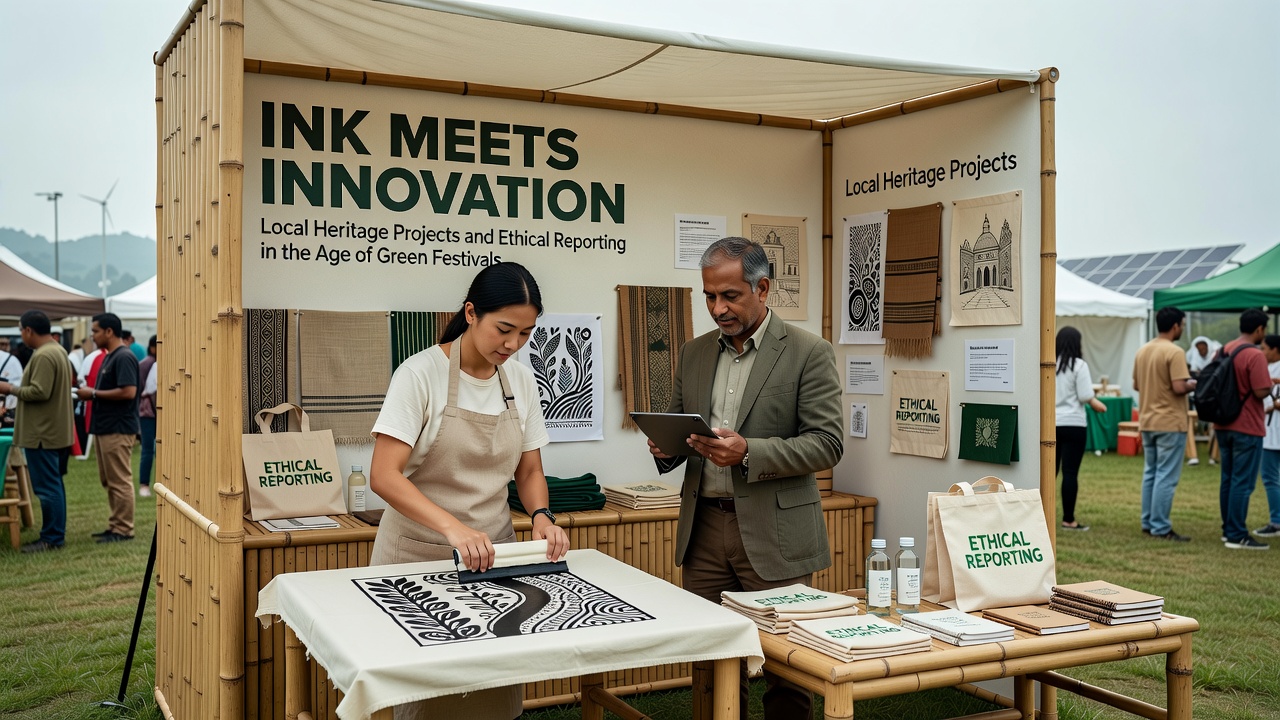
Ink Meets Innovation: Local Heritage Projects and Ethical Reporting in the Age of Green Festivals
Local heritage projects have long relied on ink-based documentation methods to preserve cultural narratives, and these approaches now intersect with innovation at green festivals where ethical reporting takes center stage. Organizers in multiple regions combine traditional printing techniques with digital tools to record events while minimizing environmental impact, and data from recent festivals shows increased adoption of plant-based inks that reduce chemical runoff by measurable percentages.
Researchers at institutions tracking cultural preservation note that heritage sites often partner with festival planners to create on-site exhibits using historical ink recipes adapted for sustainability. These collaborations allow communities to document oral histories and local customs through printed materials that attendees can take away, yet the process incorporates lifecycle assessments to ensure paper sourcing aligns with reforestation standards.
Heritage Preservation Through Adapted Ink Methods
Projects across Europe and North America demonstrate how traditional ink production evolves when integrated into festival frameworks. Artisans in rural areas revive natural pigment extraction from local plants and minerals, then test these formulas for durability under outdoor conditions common at green events. According to reports from UNESCO, such methods support intangible cultural heritage listings because they maintain authenticity while meeting modern waste-reduction targets set by event organizers.
Festival logistics teams schedule workshops where participants learn ink formulation alongside sessions on ethical data collection, creating a dual focus on preservation and transparency. Attendance records from 2025 events indicate that these combined activities draw higher participation rates than standalone heritage demonstrations, and planners attribute the trend to the practical skills offered.
Innovation in Ethical Reporting Practices
Ethical reporting at green festivals requires verification protocols that extend beyond standard journalism guidelines to include environmental accountability. Teams use ink-printed forms for initial data capture during interviews with artisans and vendors, then transfer verified information to secure digital archives that comply with regional privacy regulations. This hybrid workflow reduces electronic device dependency in areas with limited power access while maintaining traceability for published outcomes.
Observers note that September 2026 preparations in several Canadian provinces include pilot programs testing blockchain-linked ink records for festival reporting, allowing real-time audits of material origins. Industry organizations such as the International Council of Museums have published guidelines that encourage these mixed-media approaches because they balance accessibility with verifiable sourcing claims.

Case Examples from Recent Green Events
One festival in Australia combined local Aboriginal ink traditions with contemporary environmental metrics by printing daily summaries on recycled stock that incorporated seed-embedded paper. Attendees planted the pages after the event, and follow-up surveys conducted six months later recorded germination rates that aligned with biodiversity targets set by the organizing committee. Similar initiatives in Scandinavian countries have used algae-based inks for temporary signage, with the materials designed to biodegrade within weeks of the closing day.
Data compiled by research institutions shows that festivals employing these methods report lower overall carbon footprints compared to those relying solely on digital distribution, primarily because reduced server loads offset the controlled emissions from small-scale printing operations. Ethical review boards now require documentation of ink supply chains before granting permits, and this requirement has prompted suppliers to certify their sourcing through third-party audits.
Integration Challenges and Measured Responses
Coordinating heritage ink projects with festival timelines presents logistical hurdles around drying times and weather resilience, yet teams address these through modular display systems that protect printed materials. Environmental agencies in the United States have issued technical notes on pigment stability that help organizers select formulas suitable for variable outdoor conditions without compromising archival quality.
Training programs for reporters emphasize cross-verification of printed and digital records to prevent discrepancies, and several universities now offer short courses on this topic that run alongside festival seasons. Participation figures from these courses have risen steadily since 2024, reflecting broader interest in methods that merge preservation ethics with sustainability reporting.
Conclusion
Local heritage projects continue to adapt ink-based techniques to support ethical reporting at green festivals, with measurable outcomes in preservation and environmental metrics. Preparations for September 2026 events build on existing models that combine traditional materials with verification standards, and ongoing data collection from multiple regions will clarify long-term effectiveness. These developments illustrate how cultural documentation practices evolve within frameworks that prioritize both heritage integrity and ecological responsibility.