Blake Bauer · 15 October 2026
Heritage Workshops Combine Arts Curriculum Updates with Slow Reading to Maintain Print Practices During Sustainable Festival Growth
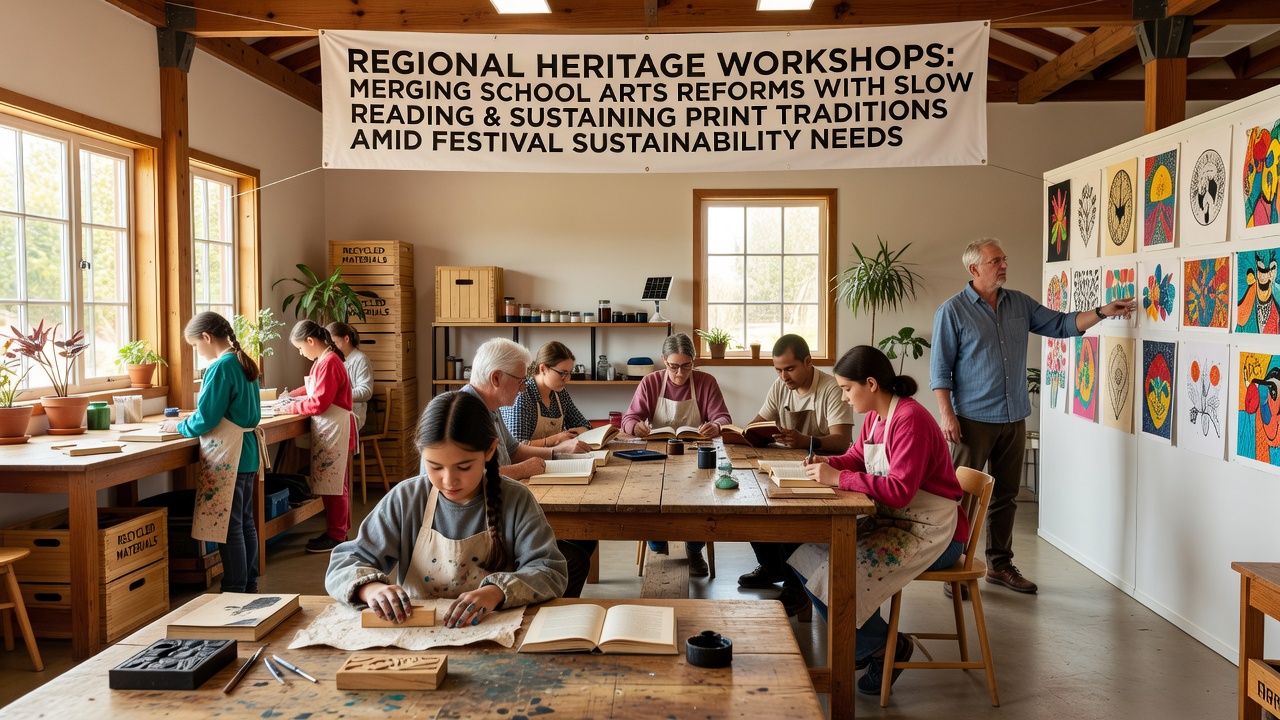
Regional heritage workshops have started to blend school arts reforms with slow reading sessions in multiple locations, and this approach aims to keep print traditions active while festivals address growing sustainability requirements. Data from cultural programs in 2025 shows increased participation in these combined activities across Europe and North America, where coordinators report steady enrollment numbers in workshops that focus on physical media rather than digital alternatives. Researchers at several institutions note that such integrations often occur in community centers and school facilities during the academic year, with extensions into festival seasons that run through October 2026 in various regions.
School arts reforms in several districts have emphasized hands-on projects involving traditional techniques, and workshop leaders incorporate these changes by scheduling sessions that pair visual arts instruction with deliberate reading of printed texts. Observers note that students spend extended periods examining physical books and pamphlets, which allows time for discussion and reflection without screen interruptions. Figures from education departments in Canada indicate that similar curriculum adjustments have led to higher reported engagement rates in arts classes over the past three years, while festival organizers track parallel trends in attendance at print-focused exhibits.
Integration of Slow Reading Practices
Slow reading sessions form a core element in these workshops, where participants examine printed materials at a measured pace and connect the content to local heritage themes. Facilitators introduce historical documents and contemporary publications side by side, and attendees practice techniques that highlight texture, typography, and binding methods. Studies from academic centers in Australia reveal that groups using this method demonstrate improved retention of cultural details compared to faster digital formats, and workshop records show repeat attendance from the same communities year after year.
Print traditions receive direct support through demonstrations of letterpress, linocut, and hand-binding methods that participants then apply during festival preparations. Coordinators schedule these activities to align with event timelines, which helps reduce reliance on single-use digital displays and supports material reuse across multiple gatherings. Evidence collected by trade associations in the United States points to a measurable uptick in demand for locally produced printed programs at eco-conscious festivals, and organizers cite lower waste metrics when physical items replace temporary electronic signage.
Festival Sustainability Connections
Rising festival sustainability needs have prompted event planners to seek partnerships with heritage groups that can supply durable printed resources. These collaborations often include training modules that teach volunteers how to maintain and distribute physical materials efficiently, and data from European cultural networks shows reduced carbon footprints in events that limit electronic equipment. One study released by a research institute in Sweden tracked multiple festivals through 2025 and found that print-based alternatives contributed to overall resource conservation when paired with recycled paper sourcing.
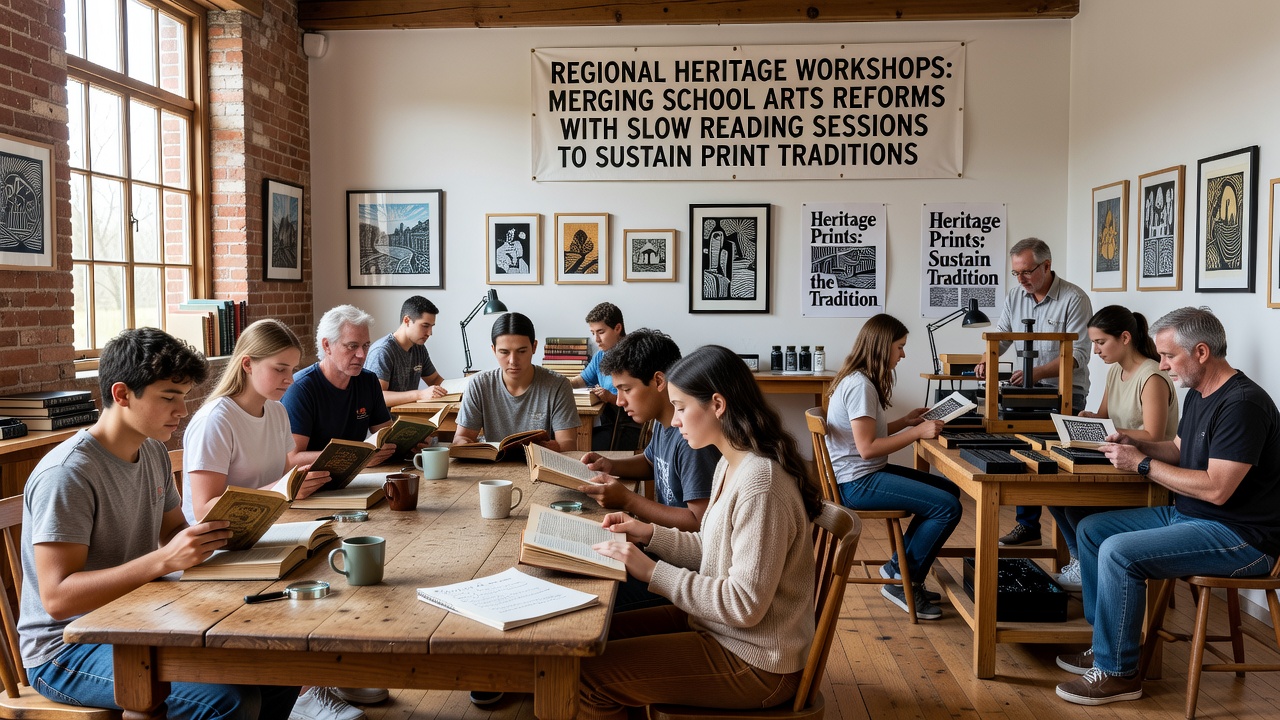
Regional programs also address supply chain considerations by sourcing inks and papers from nearby producers, which cuts transport distances and supports local economies. Festival reports compiled in 2026 document how these choices align with broader environmental targets set by municipal authorities, and participation logs indicate that school groups involved in the workshops frequently contribute displays that travel between events. Those who coordinate across sites observe that the combination of arts reforms and reading sessions creates reusable assets that festivals can rotate without additional manufacturing cycles.
Examples from Multiple Regions
Take one program in a mid-sized Canadian city that merged revised arts standards with scheduled reading circles, and the result included printed festival guides produced by student teams for an October event series. Similar efforts appear in Australian regional centers, where heritage societies host sessions that feed directly into sustainability audits for annual gatherings. National Endowment for the Arts reports outline parallel developments in several U.S. states, where data collection focuses on participation numbers and material reuse rates rather than subjective outcomes.
European examples draw on archives that supply content for slow reading modules, and festival planners incorporate these elements into zero-waste protocols. Records from industry groups show that printed heritage items often serve multiple functions, from educational handouts to commemorative pieces that reduce the need for new production each season. Observers note consistent patterns across these cases, where the workshops function as both training grounds and content suppliers for events that prioritize measurable environmental metrics.
Conclusion
Regional heritage workshops continue to link school arts reforms with slow reading sessions as festivals scale up sustainability measures, and available records through October 2026 document ongoing activity in this area. The approach relies on established practices in print production and education delivery, with data from multiple sources tracking enrollment, material use, and event logistics. Further documentation from government agencies and research bodies provides baseline figures for continued monitoring of these combined efforts.