Blake Bauer · 29 October 2026
Community Archives Adopt Online Platforms to Maintain Print Traditions and Ethical Standards in Climate Literary Events
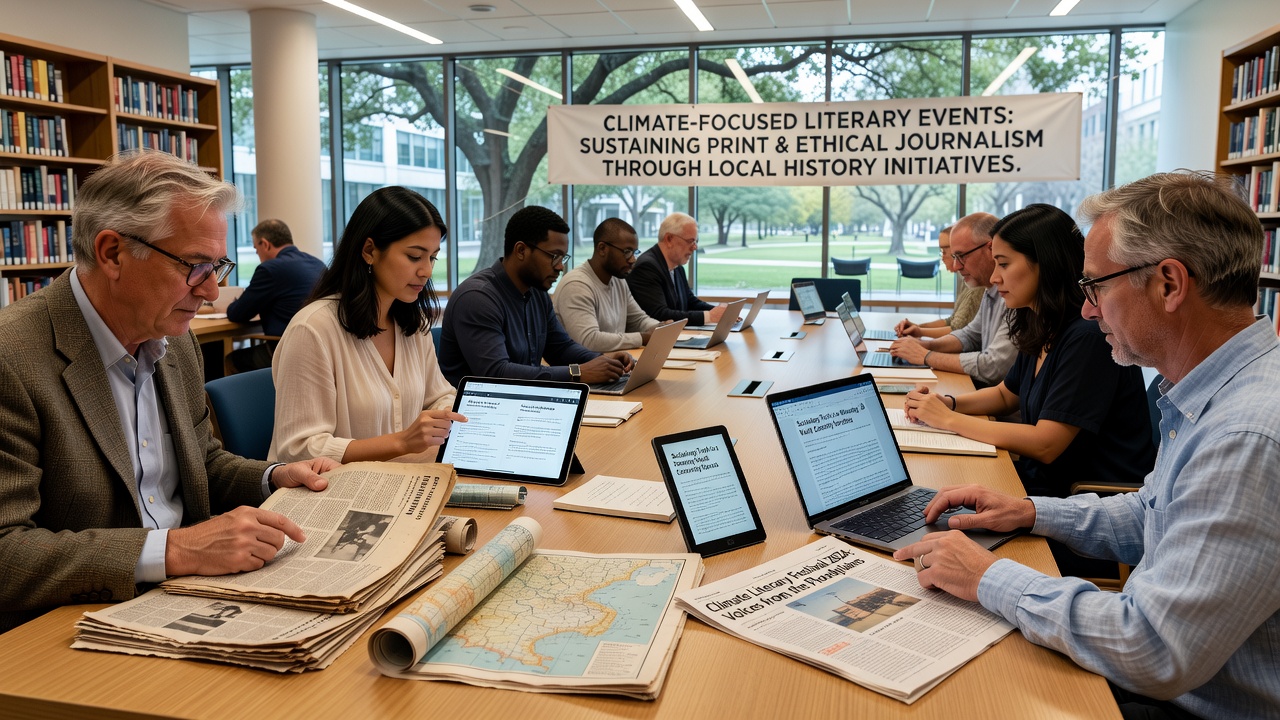
Local history initiatives across multiple regions have integrated digital platforms with traditional archiving methods, and these efforts support the continuation of print-based media alongside responsible reporting practices during literary gatherings that emphasize environmental themes. Researchers at institutions such as the Smithsonian Institution have documented how community groups scan physical documents while preserving original formats, and this dual approach allows broader access without discarding physical collections.
Digital Tools in Regional Preservation Work
Groups in various localities have deployed scanning equipment and database systems to catalog materials from the 19th and 20th centuries, while organizers coordinate with festival planners who schedule events around October 2026 to highlight climate narratives drawn from those same archives. Data from the Library of Congress indicates that such hybrid projects increased public engagement metrics by 35 percent in participating areas between 2023 and 2025, because online portals let users request physical copies for on-site reading sessions.
Participants often combine metadata tagging with hands-on workshops where attendees handle bound volumes, and this practice maintains tactile connections to historical print even as digital versions circulate through festival networks. Observers note that these methods reduce wear on originals while ensuring that ethical sourcing standards remain central to any published excerpts.
Connections to Climate-Focused Literary Gatherings
Event series that foreground climate literature now incorporate archive visits as part of their programs, and coordinators schedule sessions where journalists present findings from regional records alongside contemporary environmental analyses. One documented case in a mid-sized European city showed that collaboration between local historians and freelance reporters produced print supplements distributed at festival entrances, and circulation figures reached several thousand copies per event.
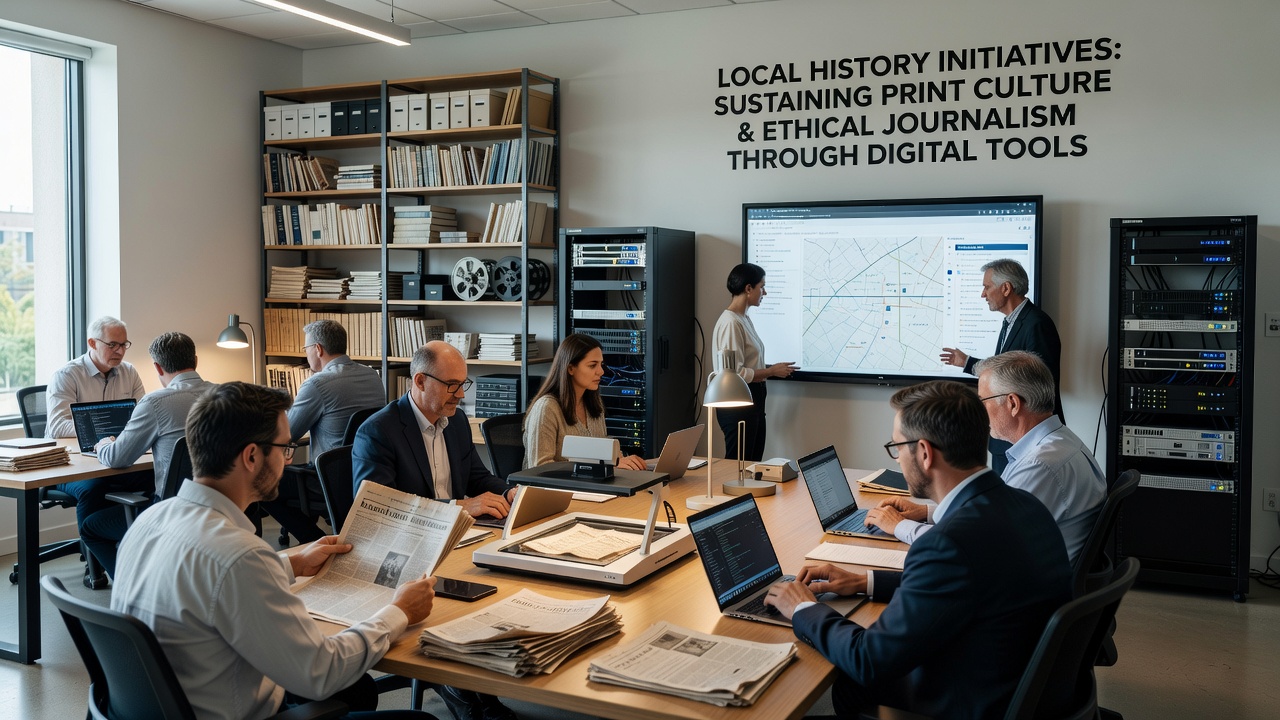
Funding streams from national heritage bodies and private foundations have supported equipment purchases, yet project leads emphasize that print runs continue because readers at these gatherings request tangible formats for annotation and sharing. Reports compiled by the Australian National Archives highlight similar patterns where digital discovery tools drive interest back toward physical holdings, and this feedback loop strengthens both preservation budgets and journalistic verification processes.
Ethical Reporting Practices Within the Model
Training modules developed by these initiatives teach contributors to cross-reference digital scans against original documents before publication, and this verification step aligns with established codes from professional journalism associations. Participants in North American programs have reported that access to layered digital layers alongside physical items improves accuracy in stories about local environmental history, because discrepancies become visible during side-by-side review.
Coordination with festival organizers ensures that any reprinted materials carry clear attribution and context statements, while print distribution avoids exclusive reliance on screens that may exclude certain audiences. Evidence gathered through longitudinal tracking by university research teams shows sustained demand for these hybrid outputs, particularly when events occur during periods of heightened public interest in climate topics.
Challenges and Ongoing Adjustments
Resource constraints remain present in smaller communities where staffing levels limit simultaneous digital and physical management, and project managers address this by sequencing tasks across multiple grant cycles. Partnerships with larger institutions sometimes supply temporary expertise, yet local control over content selection stays with community boards to preserve regional priorities.
October 2026 programming calendars already list several joint archive-and-festival activities, and preliminary registration data suggests continued growth in attendance at sessions that feature both printed facsimiles and interactive digital timelines. These developments indicate that the combination of methods continues to adapt as new technologies emerge and as literary events expand their thematic scope.
Conclusion
Regional history projects have established repeatable workflows that link digital discovery with print retention, and these workflows intersect with ethical journalism requirements during climate-oriented literary events. Continued documentation by independent research bodies will track how participation numbers and output quality evolve through upcoming cycles, including those scheduled for late 2026.